Robotic Gaze & Gender Dynamics
An interactive installation and research project challenging gender stereotypes and "digital subservience" in humanoid robotics.
00
challenge
1. How to dismantle the "subservience" solidified by traditional service robot aesthetics and behaviors? 2. How to identify and counteract the unconscious gender biases embedded in HRI systems stemming from a male-dominated development landscape? 3. How to utilize an artistic installation to provoke and challenge user psychological expectations of "robotic obedience"?
solution
A feminist perspective should be integrated into robot design, promoting gender equality and avoiding gender stereotypes while advocating for more diverse and inclusive designs. Art installations can challenge traditional gender norms, encouraging public reflection on the role of gender in technology. Future designs should focus on gender diversity and avoid simply feminizing robots for "friendliness."
impact
• Authored a de-gendered design framework to provide theoretical support for future AI products. • Demonstrated foresight in mitigating brand risks and social friction through ethical stress-testing. • Recognized by UAL for high-impact research on gender dynamics and robotic ethics.
The Observation: "Digital Subservience"
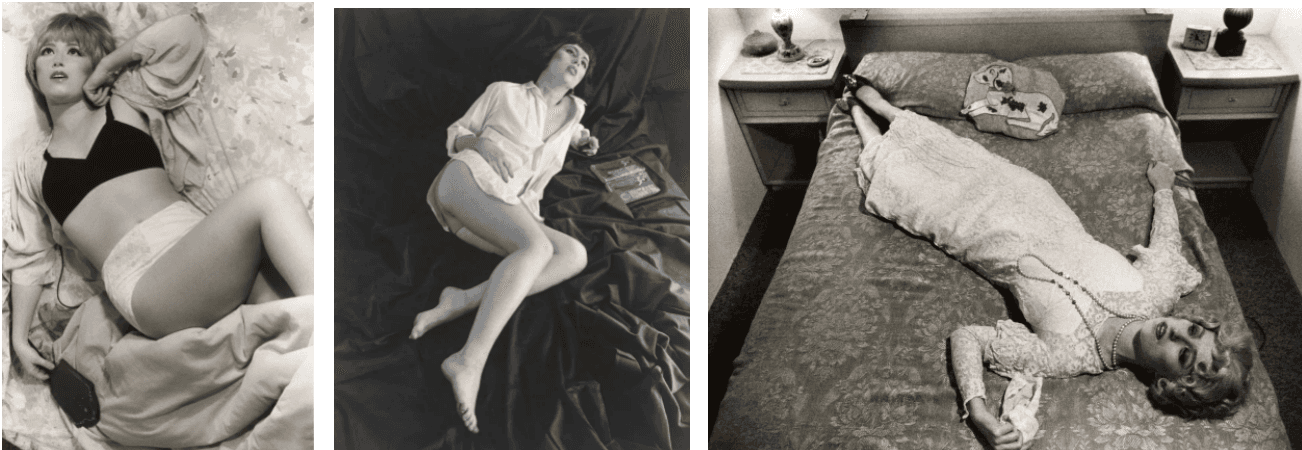
At the early stage of my research, I observed a phenomenon: mainstream service robots on the market (such as Alexa and Sophia) are typically assigned female characteristics. In my thesis, I define this phenomenon as "the digital extension of social bias." This design is not merely for user-friendliness, but rather, it uses technology to solidify the stereotype that "women = caregivers/subordinates." I term this "digital subservience" — a design that simplifies complex female traits into a tool-like function that can be controlled and consumed at will, turning the female image into an objectified, submissive presence in the digital realm.
The Method: Deciphering Gender Dynamics
Based on a survey and in-depth qualitative interviews with 22 participants in my thesis, the data revealed a striking fact: when robots are assigned prominent female characteristics, users' psychological expectations of their "submissiveness" significantly increase. This proves that the single-gender background in technology development is unconsciously exacerbating the tendency of objectification in the real world. This led me to ponder: What happens when robots are no longer "submissive tools"? Where would the boundaries of human-robot interaction lie?
The Execution: Installation as a Critical Mirror
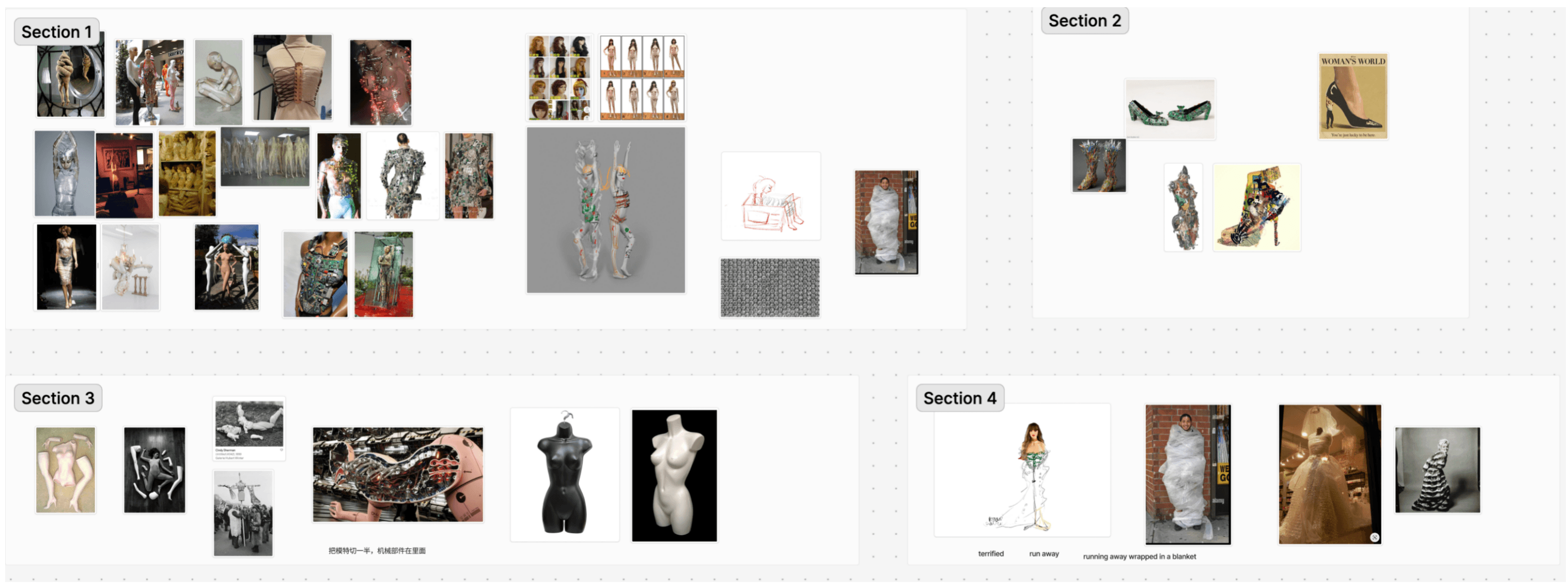
To visualize the conflict between "objectification" and "resistance," I employed a set of ironic materials and interaction logic:
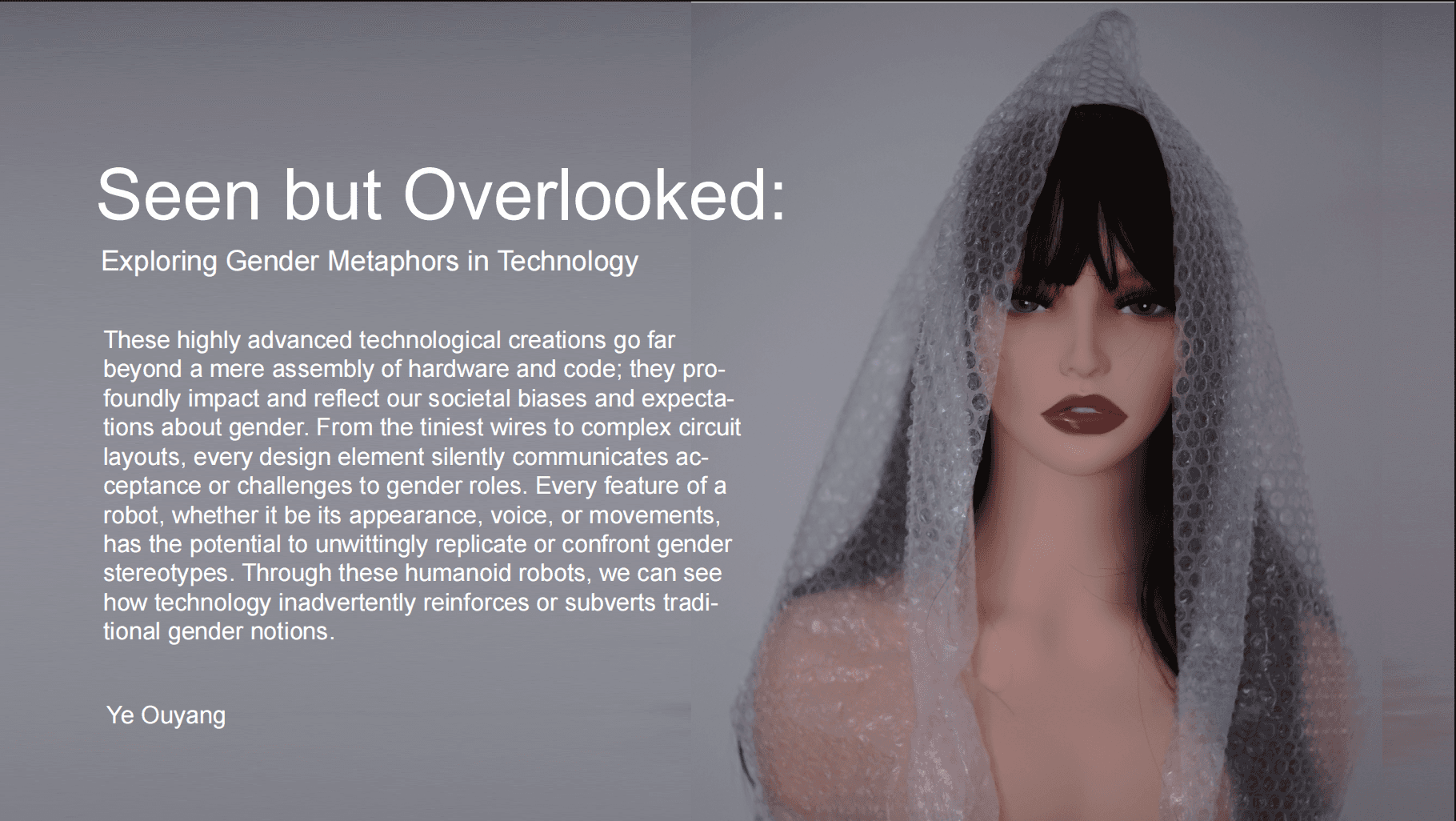
• The Metaphor of Bubble Wrap: I wrapped the installation in cheap, transparent industrial bubble wrap. In modern industry, bubble wrap represents "protective packaging" and "disposable products." This material suggests the situation of female robots from a consumerist perspective — an object carefully packaged, awaiting to be unwrapped and used to relieve stress by being pressed.
• De-commodification Interaction:
• Strategic Disobedience: The installation is equipped with high-precision sensors. When it detects aggressive proximity or forceful commands, the robotic arm responds with a defensive tremor or retraction.
• Broken Sonics: The installation completely abandons the pleasant female assistant voice, replacing it with distorted, irregular industrial synthetic noise (Sound Synthesis). This "unpleasant" feedback directly disrupts the user's consumption pleasure and forces them to confront a physical entity that refuses to be objectified and possesses independent will.
Artwork Description:
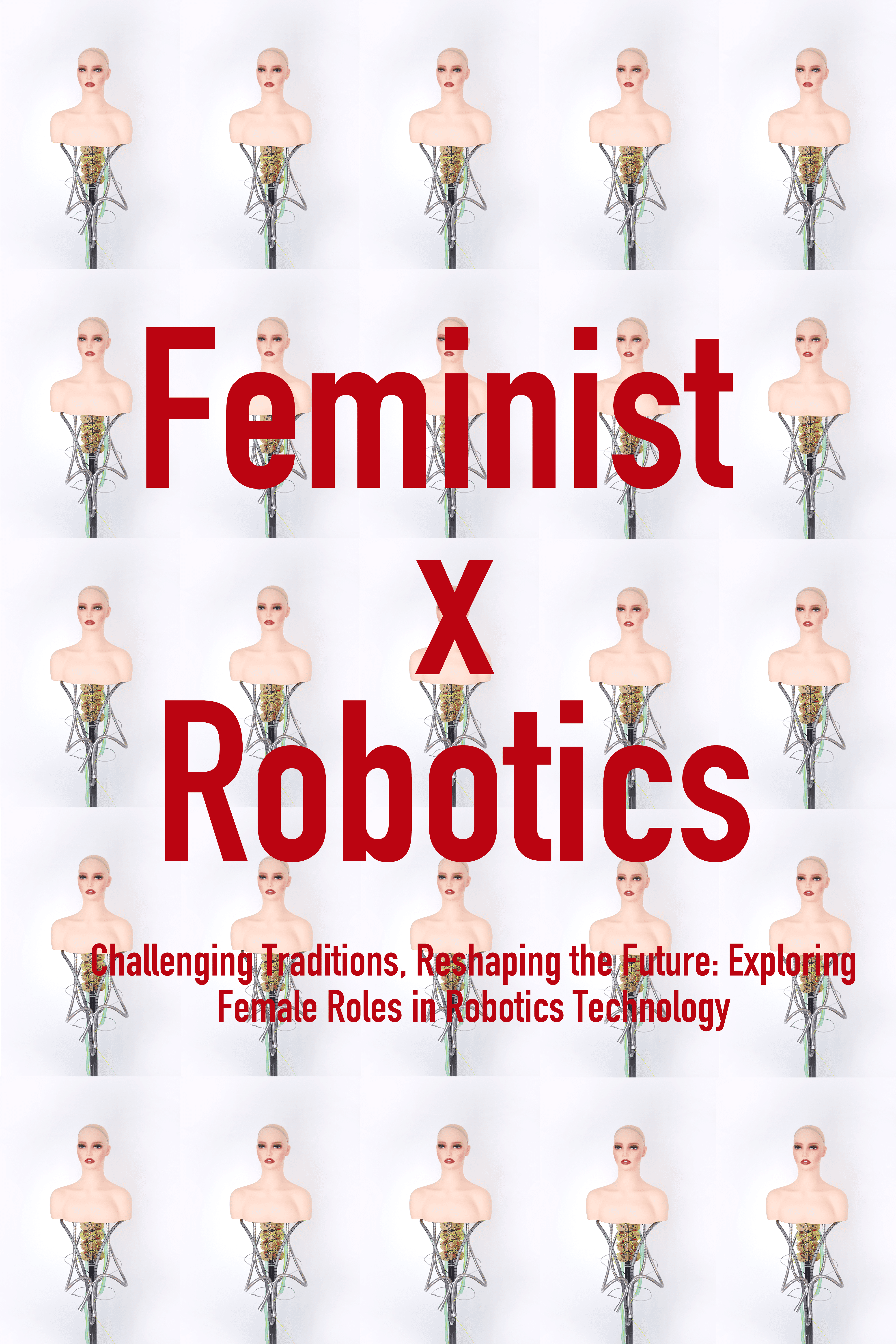
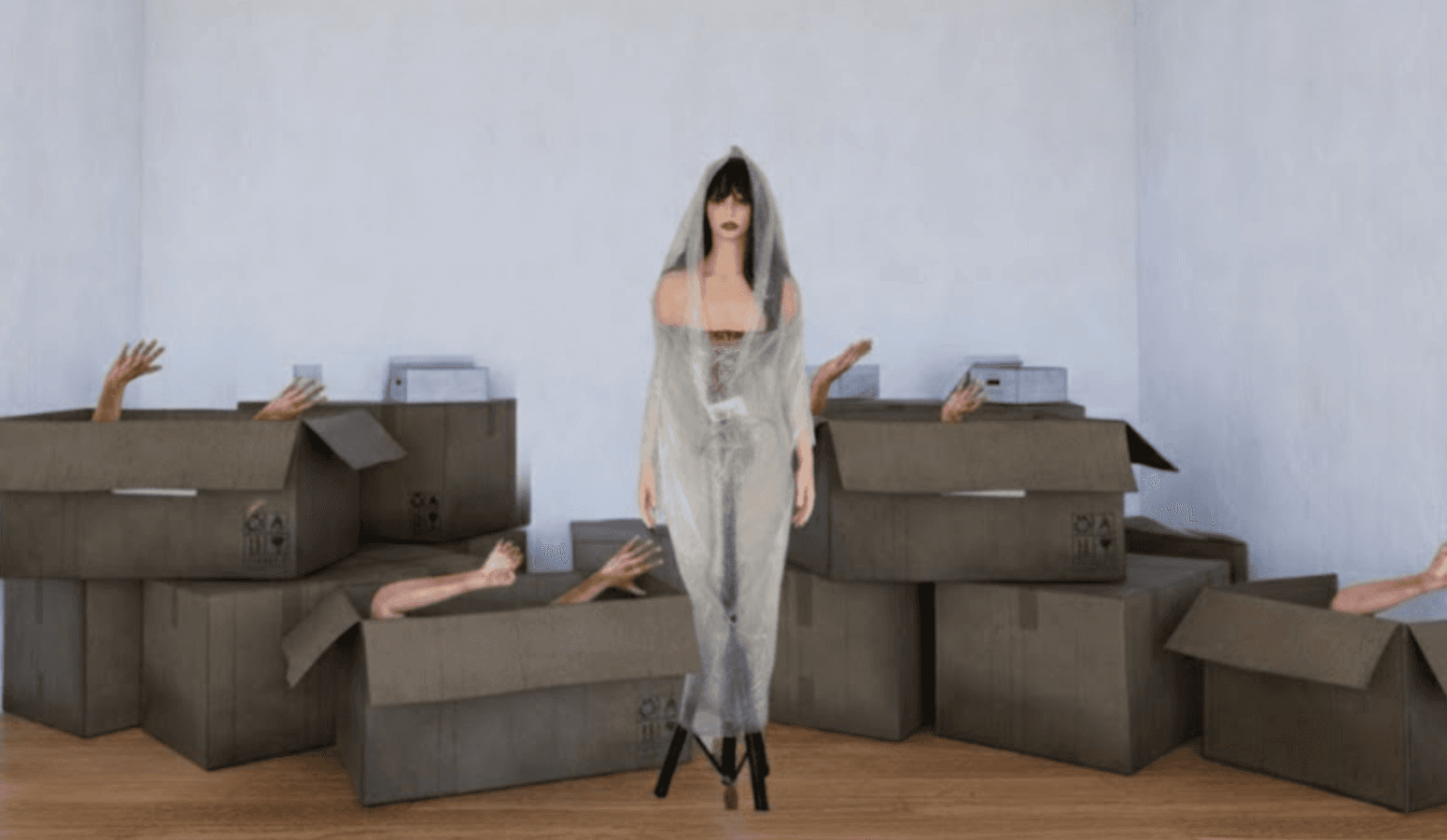
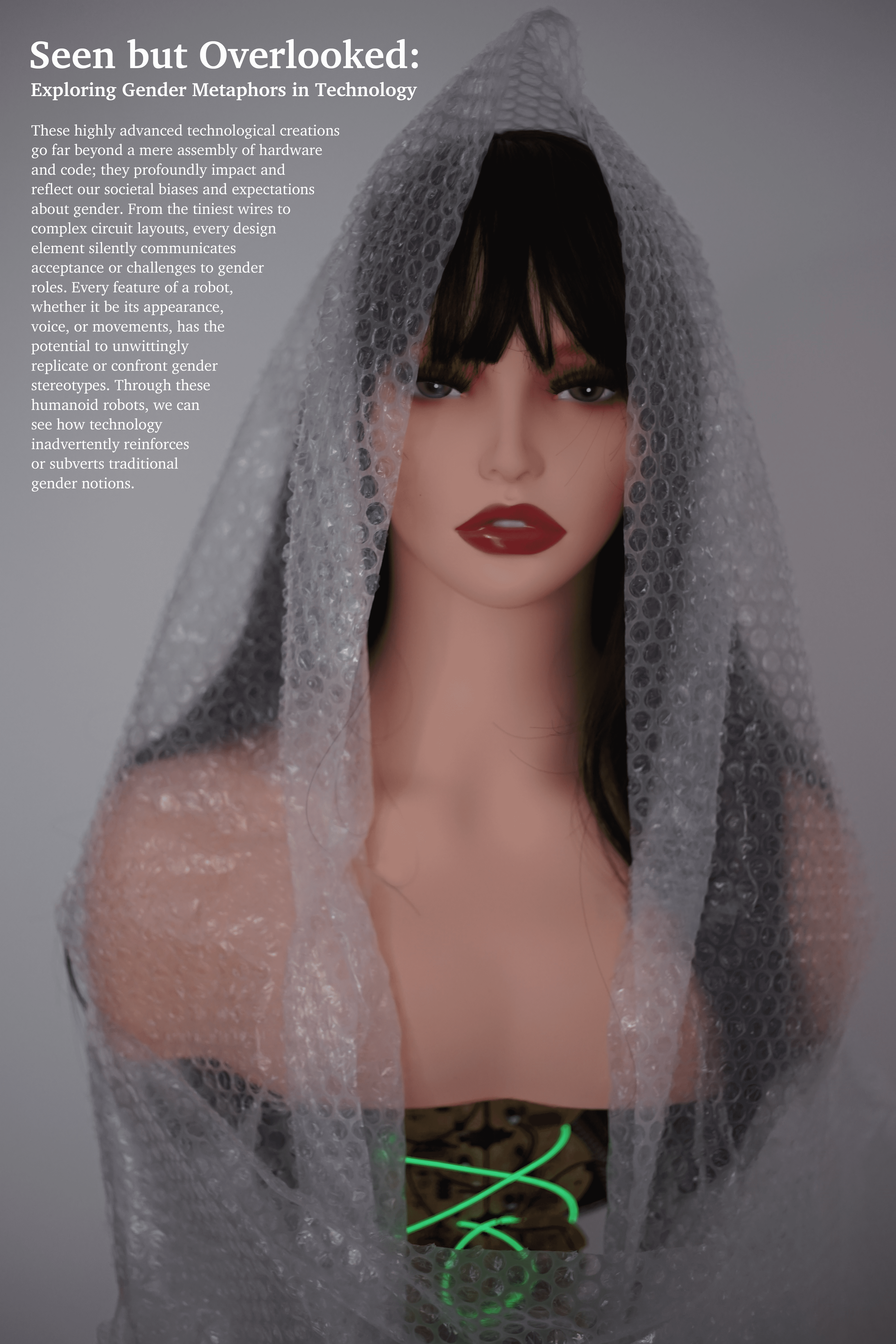
This art installation, using a mannequin, bubble wrap, and circuit boards, delves into how humanoid robots mirror and shape gender norms. The bubble wrap not only symbolizes fragility and disposability but also suggests the packaging and transport state of humanoid robots as commodities, indicating that these commodified robots inherit certain human traits, thereby exacerbating the phenomenon of women being objectified and commodified in consumer culture. The lifeless appearance of the mannequin illustrates the state of robots being sold and controlled, hinting that in the male-dominated tech industry, women and feminine symbols are often reduced to objects for display and consumption. Furthermore, the installation, through the mannequin's posture and expression, triggers a reflection on the "male gaze," showcasing the vulnerable position of women who are easily observed and judged in society. This piece not only challenges traditional views on robots and gender roles but also, through visual and conceptual contrasts, prompts deep reflection on how technology might inadvertently reinforce gender biases, calling for more inclusive and equitable design practices.
5. Research Outcomes: Decoding the Data
The empirical research conducted for my thesis validates these observations with compelling data. My survey revealed that 68% of respondents recognize a 'female-default' bias in service robot design, inherently linked to expectations of subservience. Crucially, a pivotal finding showed that 86% of participants strongly agree that gender equality must be a core consideration as robots imitate human behavior. These findings confirm that the 'digital subservience' I observed is not an isolated design choice, but a systemic issue embedded in the industry.
Audience Reflection: The Mirror in Action
During the exhibition, the installation acted as a "critical mirror." Audience feedback was profound: many viewers described a sense of "confinement" and interpreted the bubble wrap as a "veil," metaphorically linking the sale of robots to the commodification of human relationships. Some participants noted that the mannequin's "lifeless" yet "beautiful" appearance made the "male gaze" tangible, forcing them to confront their own role as consumers in a patriarchal tech landscape. These varied interpretations validated the installation's goal: to transform passive observation into active ethical questioning.
Conclusion: Towards a Feminist Robotics
This project is more than an artistic critique; it is a call for a fundamental shift in design philosophy. By integrating Feminist Theory into HRI (Human-Robot Interaction), I advocate for a future where technology no longer reinforces outdated social hierarchies. Moving forward, my goal is to implement inclusive and gender-neutral design frameworks that prioritize ethical responsibility over stereotypical "friendliness," ensuring that the robots of tomorrow serve as catalysts for social progress rather than digital echoes of past biases.
year
2024-2025
timeframe
5 months
tools
Physical Computing, Interviews, Survey, Modeling, Sound Synthesis
category
Research-led Interaction Design /Human-Robot Interaction
01
02